


 Česky (CZK)
 EUR
EUR Austria
 Czech Republic
 France
 Germany
 Hungary
 Poland
 Slovakia
Basmati - Golden Qilla
Premium basmati rice imported directly from Pakistan and India – Tilda, Kernal, Heera, Shalamar and East End. Grain aged minimum 12 months for full aroma and up to 2.5× cooked extension. Classic white, sella parboiled, brown wholegrain and extra-long 1121. Pack sizes 1–20 kg. In stock in Prague, dispatched within 24 hours.
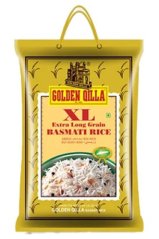
Golden Qilla Extra Long Grain Basmati Rice
Basmati is the queen of rice – long-grain, aromatic, cultivated for millennia at the foothills of the Himalayas in India and Pakistan. Shalamar Foods stocks authentic basmati sourced directly from the top producers: Tilda (India), Kernal (Pakistan), Heera, Shalamar and East End. We hand-pick every batch by grain age – only basmati aged at least 12 months develops its full aromatic profile and characteristic cooked-grain extension (up to 2.5× raw length). Our range covers classic white basmati, sella (parboiled) for biryani, brown wholegrain basmati and premium varieties such as 1121 extra-long and Pusa 1509. Pack sizes from 1 kg household to 20 kg wholesale for restaurants and catering. Because we import directly, prices are 20–30 % below retail chains. All stock held in Prague, dispatched within 24 hours.
Types of Basmati Rice
Classic white basmati – polished milled basmati, the most versatile choice for curry, pulao and side dishes. Brands: Tilda Pure Basmati, Kernal Super Basmati, Heera Pure Basmati.
Sella (parboiled) basmati – grain steam-treated before milling. Firmer, non-sticky when cooked – preferred for authentic biryani where the rice must withstand mixing with dry meat and spices.
Brown wholegrain basmati – unpolished basmati with bran layer intact. Higher fibre and minerals, nuttier flavour. Cooking time 35–40 minutes.
Premium varieties (1121, Pusa 1509) – extra-long varieties with grains over 8 mm. Often chosen by restaurants for presentation.
How to identify quality basmati
Grain age. True premium basmati is aged at least 12 months (often up to 2 years) before sale. Fresh basmati is moist and sticks when cooked.
Grain length. Quality basmati measures at least 7 mm, premium 1121 over 8 mm.
Aroma. Basmati contains 2-acetyl-1-pyrroline, giving a nutty, popcorn-like fragrance.
Origin. Authentic basmati grows only in the Indian regions of Punjab, Haryana, Himachal Pradesh and in Pakistan's Punjab province.
How to cook basmati rice perfectly
- Rinse 3× under cold water until water runs clear.
- Soak for 20–30 minutes – this step is essential for maximum grain extension.
- Water ratio: 1 part basmati : 1.5 parts water + pinch of salt.
- Bring to boil, reduce to minimum, cover tightly and simmer 12 minutes.
- Rest 10 minutes off heat, lid on.
- Fluff with a fork – never stir with a spoon, grains will break.
Frequently Asked Questions
What is the difference between Indian and Pakistani basmati?
Pakistani basmati (Kernal, Shalamar) often has longer grains and stronger aroma, thanks to the unique soil of Pakistani Punjab. Indian basmati (Tilda, Daawat) is more widely available and has a long tradition. Both are top quality.
What water ratio should I use for basmati?
Ideal is 1 part rice : 1.5 parts water. If you skip soaking, add 1.75 parts water.
Is sella basmati the same as classic basmati?
No – sella is basmati that has been steam-treated before milling. Grains are firmer and non-sticky when cooked, but lose some of the characteristic aroma.
What does "1121 basmati" mean?
1121 is a modern basmati variety bred in India, known for its extra-long grain (over 8 mm). Popular in restaurants for presentation.
How should I store basmati after opening?
Transfer to an airtight container (glass or metal), store in a dry place away from sun and heat. Keeps for 12 months without losing aroma.
 Instagram widget